About
About Mark Nicolas
Mark came to research by a less conventional route.
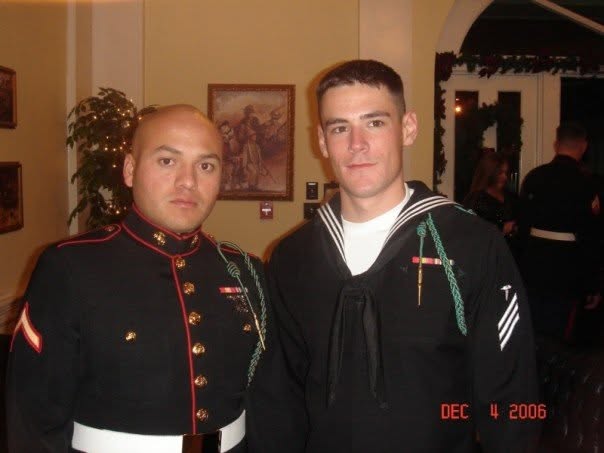
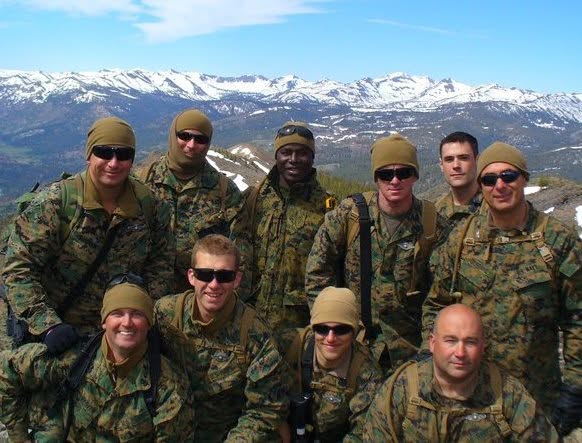
He spent much of his adult life working in medicine and behavioral health. He served as a Fleet Marine Force hospital corpsman attached to 3rd Battalion, 6th Marines, deploying to Iraq in 2007, where his Marines referred to him as “Doc Nic.” After leaving the military, he continued working across primary care, cardiology, oncology, urgent care, prehospital medicine, addiction treatment, and psychedelic related settings.
He also spent a decade struggling with opioid dependence. By 2018, the life he had managed to keep functioning around that addiction had largely collapsed. Recovery eventually brought him to Warriors Heart, where he had once been a patient and later returned as a clinician in training. Addiction, overdose, trauma, and cognitive decline also shaped his family history. Those experiences left him with questions that eventually became scientific ones: why do some people recover while others return to the same patterns, what actually changes when treatment works, and what determines whether that change lasts?
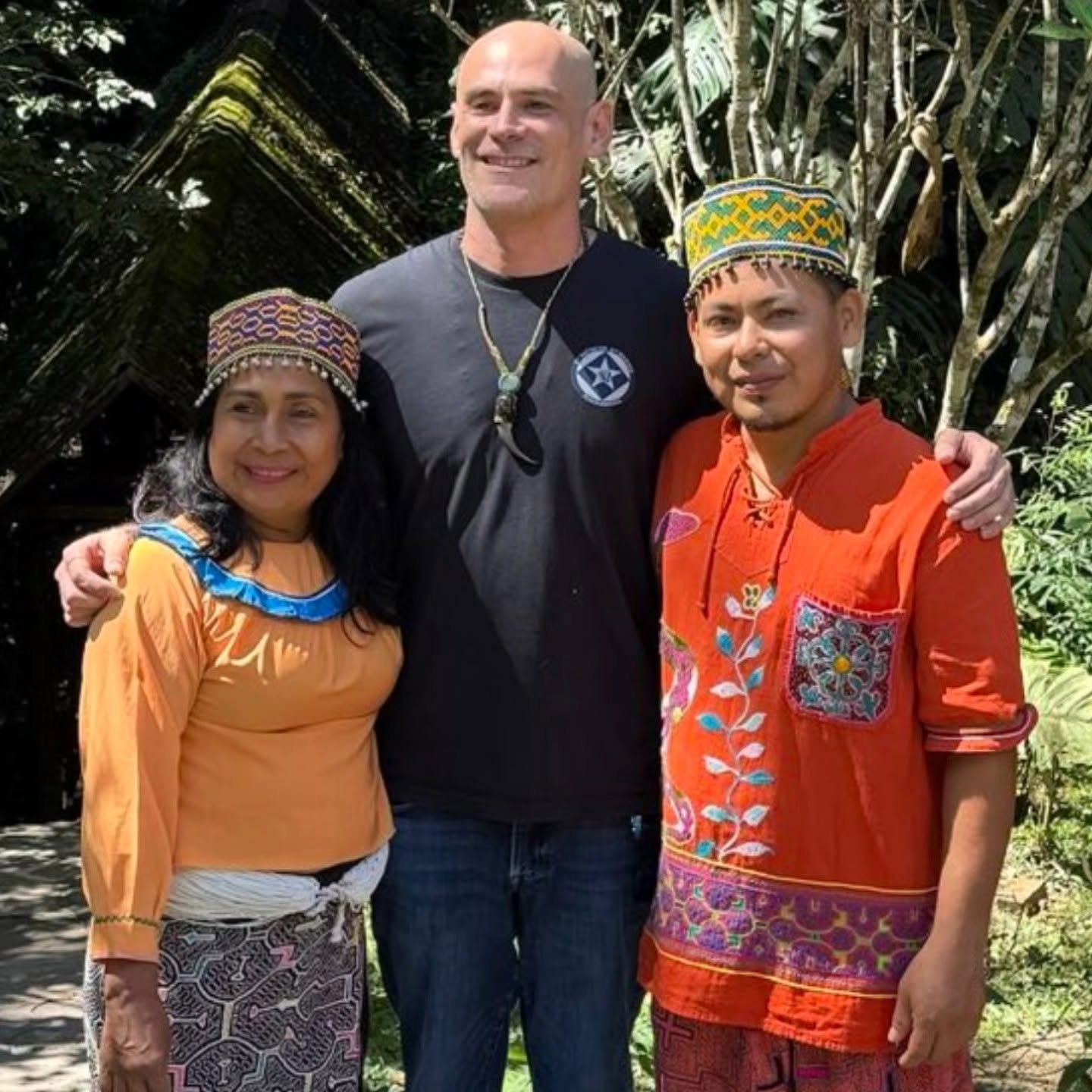
His professional exposure to psychedelics began through festival EMS in 2008 and later expanded into facilitation, coaching, preparation, safety, and integration. Over time, he worked around hundreds of psychedelic experiences in settings ranging from underground practice to established facilities in Mexico. He saw substantial change in some people, but also saw that an intense experience by itself did not guarantee durable recovery.
That problem helped bring him back to school.
Mark earned an Associate of Applied Science in Human Services with a focus on substance abuse and addiction counseling from San Antonio College, graduating as a Distinguished Graduate with a 4.00 GPA. He then transferred to Texas A&M University Central Texas to study psychology, where he has maintained a 4.00 GPA.
He now serves as the lead research assistant and an intern in the Thought Technologies Laboratory at Texas A&M University Central Texas under Kendal Smith, PhD. His work there includes the VIBES Study and Beyond the Absence of Dysfunction, an independently designed study examining self regulation, emotional experience, stress, and psychological well being.
His research has also expanded into human interaction with conversational artificial intelligence. Mark is developing the AI Use Inventory, a cross national measure designed to distinguish how often people use conversational AI for instrumental, informational, and socioemotional purposes. He is also developing work around reward and AI use, including whether unpredictable reward can increase persistence with AI systems even after the reward itself disappears. That line of work applies reinforcement learning and incentive salience concepts to a technology that is becoming part of daily human behavior.
His first peer reviewed paper proposed that ibogaine may support recovery through broader restoration of reward system function rather than through withdrawal suppression alone. That work led to another question: even if an intervention creates plasticity, what determines whether that plasticity stabilizes into something adaptive?
That question became Neural Attunement.
Much of Mark’s work now follows the same set of problems from different directions: reward, dependence, adaptation, neuroplasticity, and measurement. His interests include reward system dysfunction across addiction and other psychiatric conditions, post acute neural stabilization, human use of emerging technologies, and the development of better ways to measure changes that are often inferred only from self report.
His applied work, including WARPATH and the developing competencies for psychedelic facilitation, comes from the same place. Powerful interventions still require preparation, structure, competence, and accountability.
Mark’s goal is to understand what changes when people actually get better, what makes that change last, and whether those changes can be measured early enough to improve what happens next.